German Wurst
Wurst is a big part of German cuisine. Over 1,500 different kinds of wurst are available in Germany. Although the number of varieties of German wurst available here in the U.S. is much less, there is still a huge selection to choose from.
German wurst is made primarily of fresh meat (pork, beef, chicken, or veal), bacon, spices, salt, and water. Other ingredients may also include eggs, milk, cheese, mushrooms, red peppers, potatoes, oats, or pistachios. Liver sausage (Leberwurst), blood sausage (Blutwurst), and tongue sausage (Zungenwurst) also include liver, blood, and tongue, respectively.
Wurst in German Cuisine
Wurst makes up a large part of the German cuisine. It is often enjoyed at the morning, mid-day, and evening meals and its influence stretches into holiday celebrations and festivals.
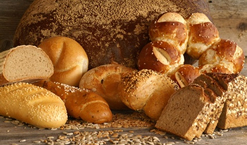
Wurst, particularly cold cuts (Aufschnitt), is often eaten for breakfast, accompanied with other German favorites, such as butter, hard-boiled eggs, and rolls and mini-breads (Brötchen & Kleingebäck). At mid-day, traditionally the largest meal of the day in Germany, sausages are often accompanied with such German favorites as Sauerkraut, potato salad, mustard, and/or horseradish. The evening meal (Abendessen) is often a light meal. Like breakfast, the evening meal often consists of bread slices served with wurst, cheese, and/or vegetables.
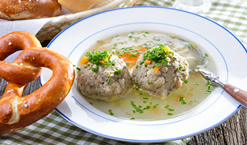
Wurst, particularly sausages and ham, are also added as ingredients to soups, stews, and casseroles. They add both flavor as well as heartiness to the dish.
Sausages, accompanied with potato salad, is a traditional meal served on Christmas Eve.
Several different types of sausages are served the Oktoberfest in Munich, as well as those Oktoberfest celebrations held throughout the U.S. Please visit our Oktoberfest pages for further details.
Wurst Storage Tips
Fresh, raw wurst and raw ham should be brought to room temperature before consuming. This will help enhance both their flavors and aromas. Cooked and boiled/scalded wurst should remain cold until you are ready to prepare them.
To prevent the wurst from absorbing aromas from other foods in the refrigerator, it is best to store wurst in a sealable container.
|
|